
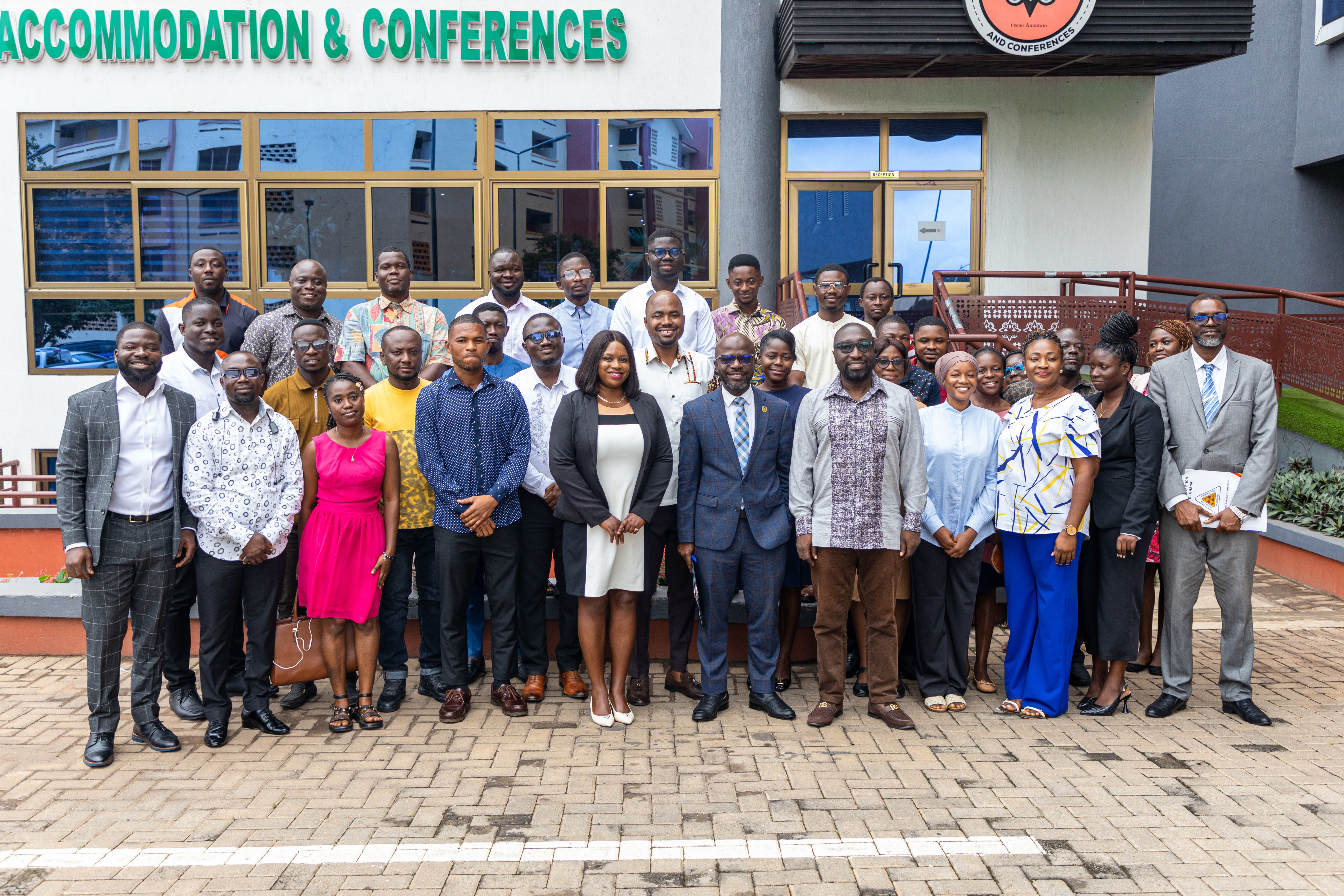
The University Health Services (UHS) of the Kwame Nkrumah University of Science and Technology, Kumasi (KNUST), in collaboration with the Radiation Protection Institute (RPI) of the Ghana Atomic Energy Commission (GAEC), has begun a national training course to strengthen radiation protection and safety practices in healthcare.
The course, Radiation Protection and Safety in Medical Radiological Applications, is designed to equip health professionals with the knowledge and skills to minimise radiation exposure, assess risks, implement appropriate control measures and ensure regulatory compliance.
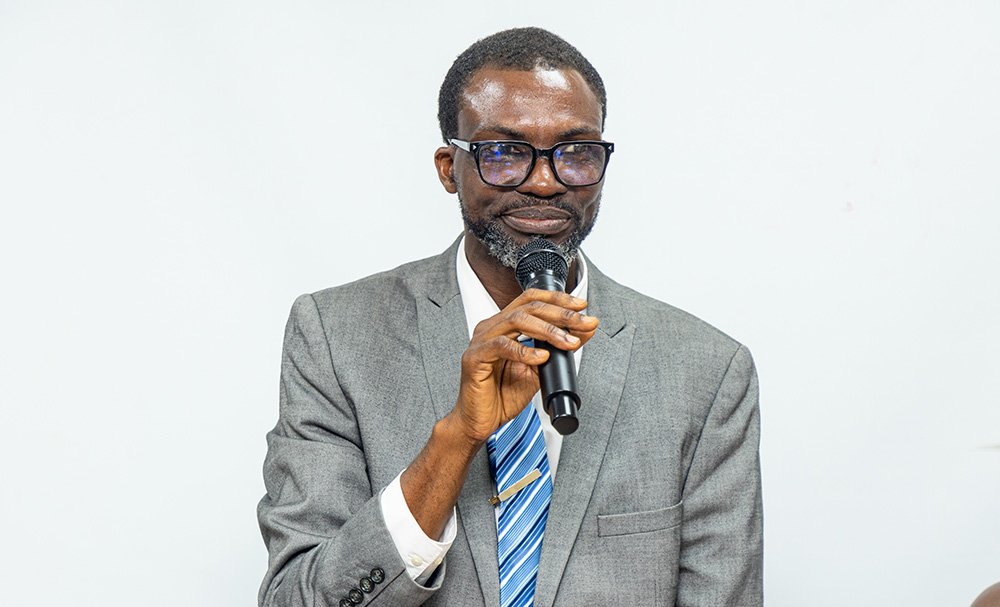
Representing the Director of RPI, Deputy Director and Course Director, Prof. Stephen Inkoom, said the training would also help promote a culture of safety among professionals working with radiation sources.
He said the course covers radiation and radioactivity, occupational and public radiation protection, radiotherapy and nuclear medicine, MRI safety, patient dose assessment and quality assurance in diagnostic radiology.
The programme has been accredited for 10 Continuing Professional Development (CPD) points by Ghana's Allied Health Professions Council (AHPC).
Prof. Inkoom expressed confidence that participants would apply the knowledge gained in their workplaces and help promote radiation safety.
“I am very confident that by the end of this course, participants would be equipped with new skills and knowledge in order to apply best practices and to serve as ambassadors of radiation protection and safety,” he said.
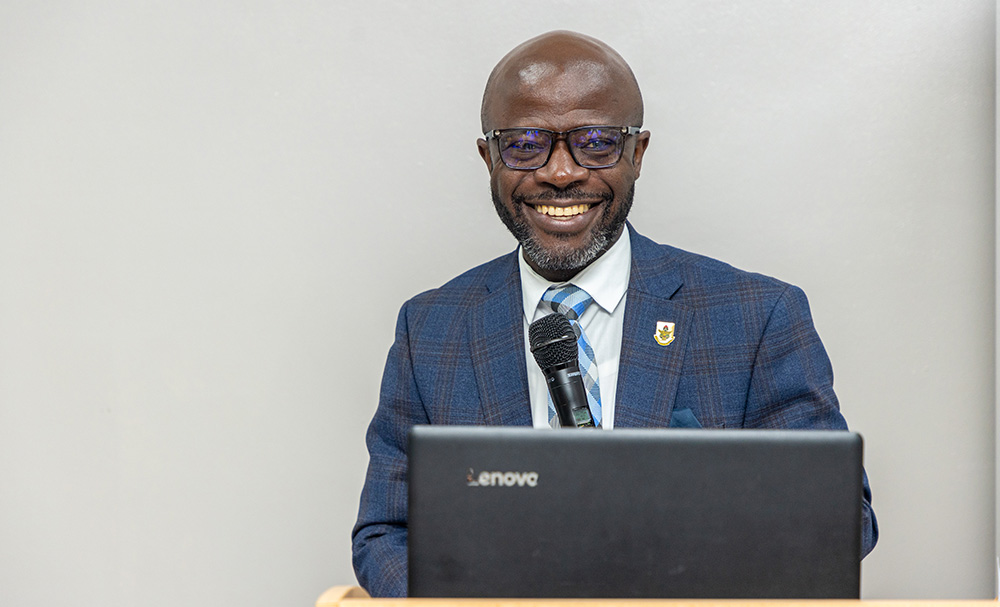
The Director of University Health Services at KNUST, Dr Nana Kwame Ayisi-Boateng, said the training was important for strengthening radiation protection practices in healthcare.
He said that while medical imaging technologies such as computed tomography (CT) and conventional X-rays have transformed healthcare, their use must be accompanied by measures to protect patients, healthcare workers and the environment.
“Medical imaging, through CT scans, conventional X-ray systems, fluoroscopy, and nuclear medicine have revolutionised modern healthcare. Yet, while these tools save countless lives daily, we must ensure they never compromise patient, worker, or environmental safety,” he said.
Dr Ayisi-Boateng stressed the need for proper equipment calibration, dose audits and adherence to reference levels to minimise unnecessary radiation exposure, particularly among children and patients undergoing repeated examinations.
He said effective communication of radiation risks was equally important, with patients requiring clear information about the potential risks associated with radiological procedures.
“Patients deserve to know the purpose, benefits, and possible risks of procedures. Good communication builds trust and confidence,” he added.
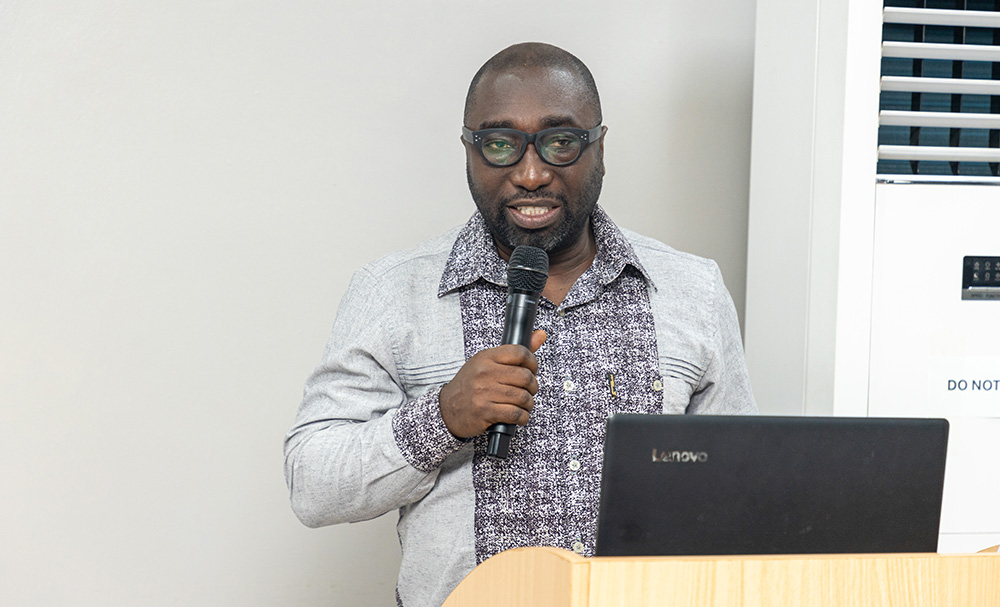
The Dean of the Faculty of Allied Health Sciences at KNUST, Prof. Yaw Amo Wiafe, welcomed the organisation of the programme at the University, saying it gives professionals in the region access to specialised radiation protection training without having to travel elsewhere.
He said the programme would contribute to protecting healthcare professionals and patients while supporting the delivery of quality healthcare.
Story: Belinda Opoku Danso


